Mobile & Web Banking
Mobile Banking
What is Mobile Banking?
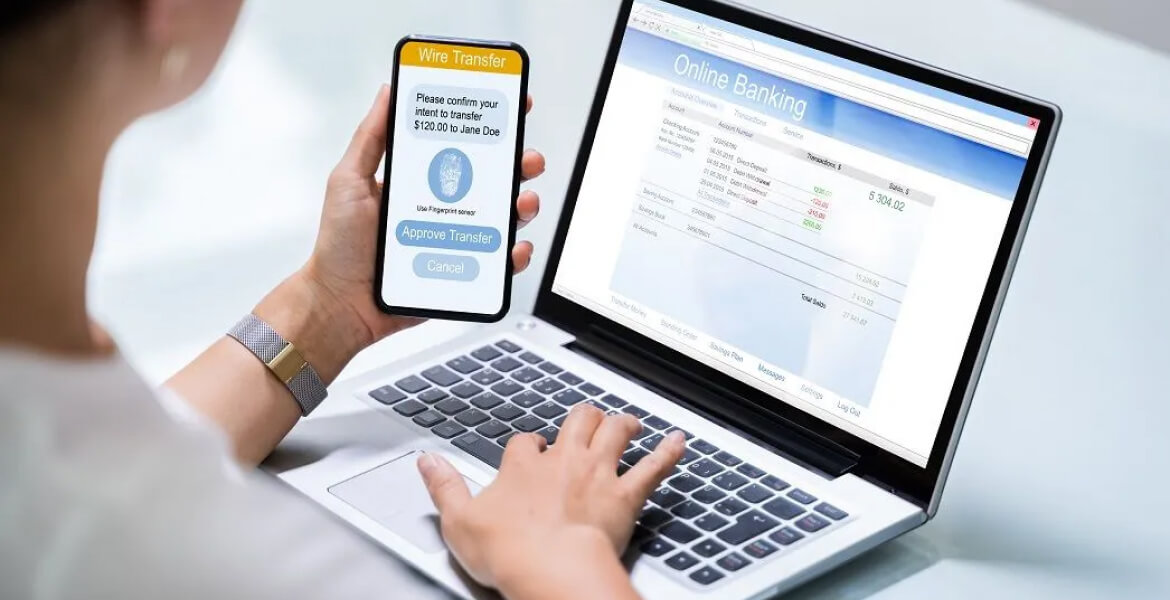
Mobile banking refers to the use of a mobile device to carry out financial transactions. The service is provided by some financial institutions, especially banks. Mobile banking enables clients and users to carry out various transactions, which may vary depending on the institution. Currently, mobile banking’s become easier with the development of cellular mobile applications. Clients are now able to check their balances, view their bank statements online, make transfers, and even carry out prepaid service purchases.
Summery
- Mobile banking refers to the use of a mobile device to carry out transactions. The service is provided by some financial institutions, especially banks.
- Mobile banking services can be categorized into the following: account information access, transactions, investments, support services, and content and news.
- To date, many financial institutions and banks make use of both SMS and apps to keep their clients informed of their account activities or to send out alerts to clients regarding possible fraud and/or updates and maintenance of service.
A Brief History of Mobile Banking
Before the introduction and enablement of mobile web services in 1999, mobile banking was completed primarily through text or SMS; it was known as SMS banking. European banks were on the frontier of mobile banking service offering, using the mobile web via WAP support.
SMS banking and mobile web were the most popular mobile banking products before 2010. With the development of smartphones with iOS or Android operating systems, mobile banking applications (apps) began to evolve. Clients were able to download the banking apps onto their smartphones with more sophisticated interfaces and improved transactional abilities.
To date, many financial institutions make use of both SMS and mobile applications to keep their clients informed of their account activities or to send out alerts regarding possible fraud and/or updates and maintenance of service provision.
Examples can be a text message from a bank, notifying users that their ATMs or apps will not be accessible during a particular time period due to system maintenance, or a confirmation text from the bank regarding a transfer carried out by the client via the mobile app.

Types of Mobile Banking Services
- 1. Account information accessAccount information access allows clients to view their account balances and statements by requesting a mini account statement, review transactional and account history, keep track of their term deposits, review and view loan or card statements, access investment statements (equity or mutual funds), and for some institutions, management of insurance policies.
- 2. TransactionsTransactional services enable clients to transfer funds to accounts at the same institution or other institutions, perform self-account transfers, pay third parties (such as bill payments), and make purchases in collaboration with other applications or prepaid service providers.
- 3. InvestmentsInvestment management services enable clients to manage their portfolios or get a real-time view of their investment portfolios (term-deposits, etc.)
- 4. Support servicesSupport services enable clients to check on the status of their requests for loan or credit facilities, follow up on their card requests, and locate ATMs.
- 5. Content and newsContent services provide news related to finance and the latest offers by the bank or institution.

Challenges Associated With Mobile Banking
- Accessibility based on the type of handset being used
- Security concerns
- Reliability and scalability
- Personalization ability
- Application distribution
- Upgrade synchronization abilities